Ants

HACCP
February 24, 2020
Disinfecting Hygiene
March 20, 2020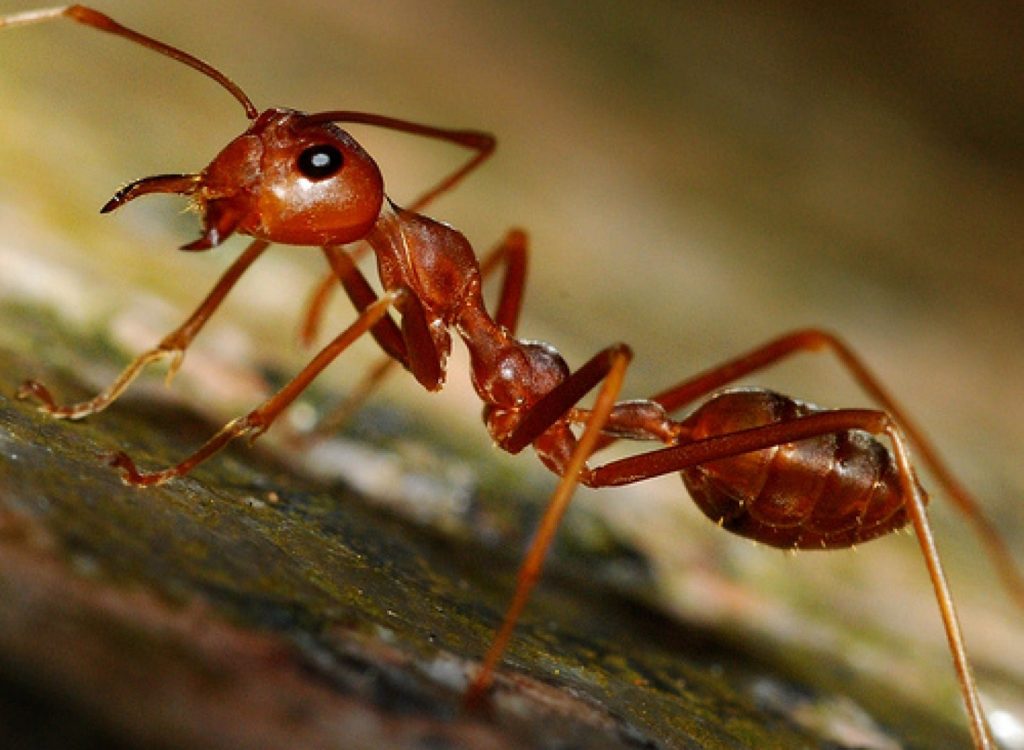
How to get rid of ants.
Countrywide water restrictions and drier conditions mean that more people than ever are finding ants inside their homes.
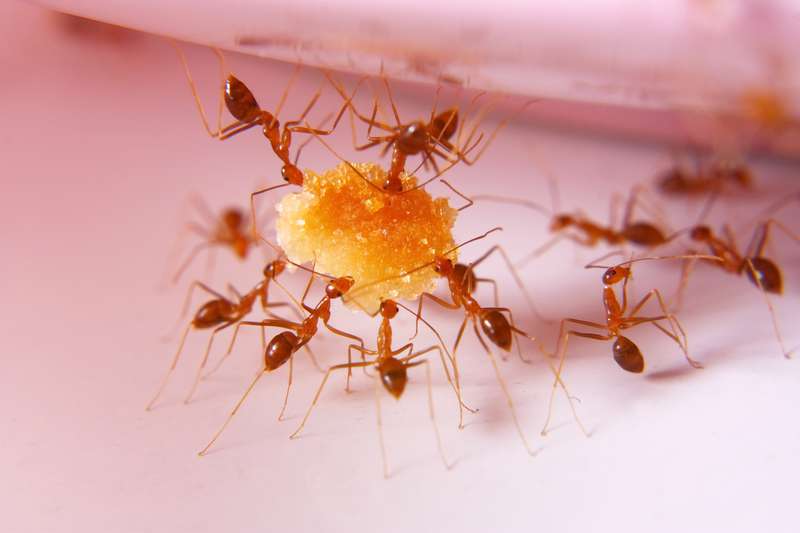
The majority of ant species prefer sunny climates, which makes the South African environment the perfect habitat.
There are 550 known species of ants in South Africa, however, only a relatively few of these are commonly seen as pests. These include the Argentine ant, Black house ant, coastal brown ant, the fire ant, Garden ant and the Pavement Ant.
Don’t know what to do when it feels like everything in your kitchen is covered in ants? Pest X-perts share some tips…
Ant species you are likely to see in your house
The most common ants in South Africa are the Black house ants and the Coastal brown ants.
Black house ants are attracted to sweet foodstuffs and are regarded as a nuisance as they scavenge in kitchens, garbage and dog excrement. The coastal brown ant prefers to feed on meat products and grease. In both cases, the most effective control measure is to find the colony and treat it.
Although Black or Garden ants aren’t thought to carry diseases, they can be particularly annoying when they get into your home.
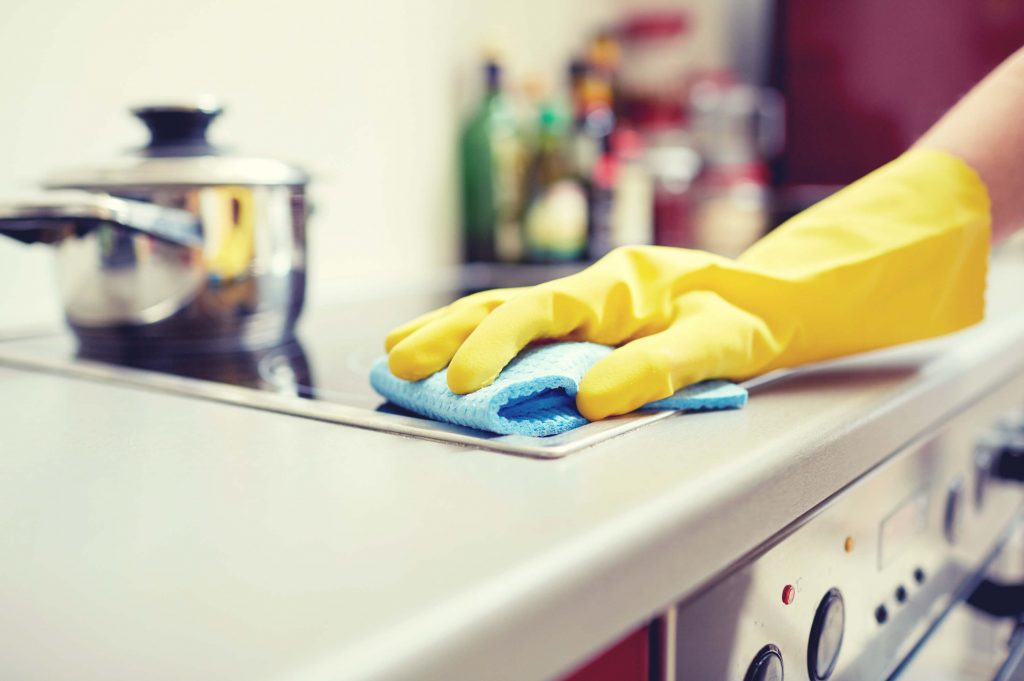
Considering that ants frequently travel through unsanitary areas before ending up on your countertops, you don’t want them marching through your food cupboards.
Interesting facts about ants
Did you know that ants are considered the most developed of all insect species? This is because ant colonies are seamlessly organised and include millions of hard working inhabitants that are each assigned tasks to perform.
Queens are responsible for laying eggs to ensure the survival of the ant colony, while males are in charge of mating with winged queens. Soldiers are appointed as the protectors of the colony, and collect food on occasion.
Lastly, the female workers have the hardest job of all, nursing larvae, digging nests, foraging for food and guarding the colony.
Ants can also carry up to ten times their body weight, making them extremely strong for their small size. And not only do these crawling insects have brawn, they have brains too – communicating via pheromones and other chemical signals.

Signs that you have an ant problem
Apart from trails of ants marching all over your house, there are a couple of other tell-tale signs to watch out for.
Ant pathways in and out of your home or premises are a reliable sign of an ant problem. Some types of ant will lay down a pheromone trail to a food source. This chemical attracts other ants to the food.
An ant nest site can look like a small pile of soil or dirt. Some species of ant like to make their home in walls or other quiet, dark places that are more difficult to spot.
What to do if ants are invading your home
If you’re currently suffering from an ant infestation or you just want to make sure you prevent one from happening, there are a few simple ant repellent and control measures you can put in place.
It’s important to remember that most ants only come into your home to look for food or water. They are particularly attracted to anything sweet and sticky, which is why you’ll find ants in kitchen cupboards or areas where food is kept. With that in mind, it’s important not leave to temptation in their path.
1. Clear up food and liquid spillages immediately.

2. Sweep up food crumbs from under your kitchen appliances and units.
3. Store your food in airtight containers wherever possible.
4. If you have a pet, clear away any food that hasn’t been eaten straight away.
5. Block off entry points for ants by sealing all cracks and crevices around your doors and window frames.
6. In the garden, keep your compost enclosed and make sure all rubbish bins have tightly sealed lids.While prevention is always better than cure, there are occasions when one has to resort to pesticides and DIY pest control products that can get rid of ants in low-risk areas. It is, however, essential to follow the instructions carefully for safe and effective use. If in doubt or for frequent reoccurrences, call a professional pest control company.