COVID19 Disinfection
"Coronavirus or endemic human coronaviruses (HCoV) can persist on inanimate surfaces like metal, glass or plastic for up to 9 days, but can be efficiently inactivated by surface disinfection procedures. As no specific therapies are available for SARS-CoV-2, early containment and prevention of further spread will be crucial to stop the ongoing outbreak and to stop the ongoing outbreak and to control this novel infectious thread."
The global Covid-19 pandemic caught the entire world by surprize and forced many nations to go into lockdown mode to curb the spread of the highly contagious virus.
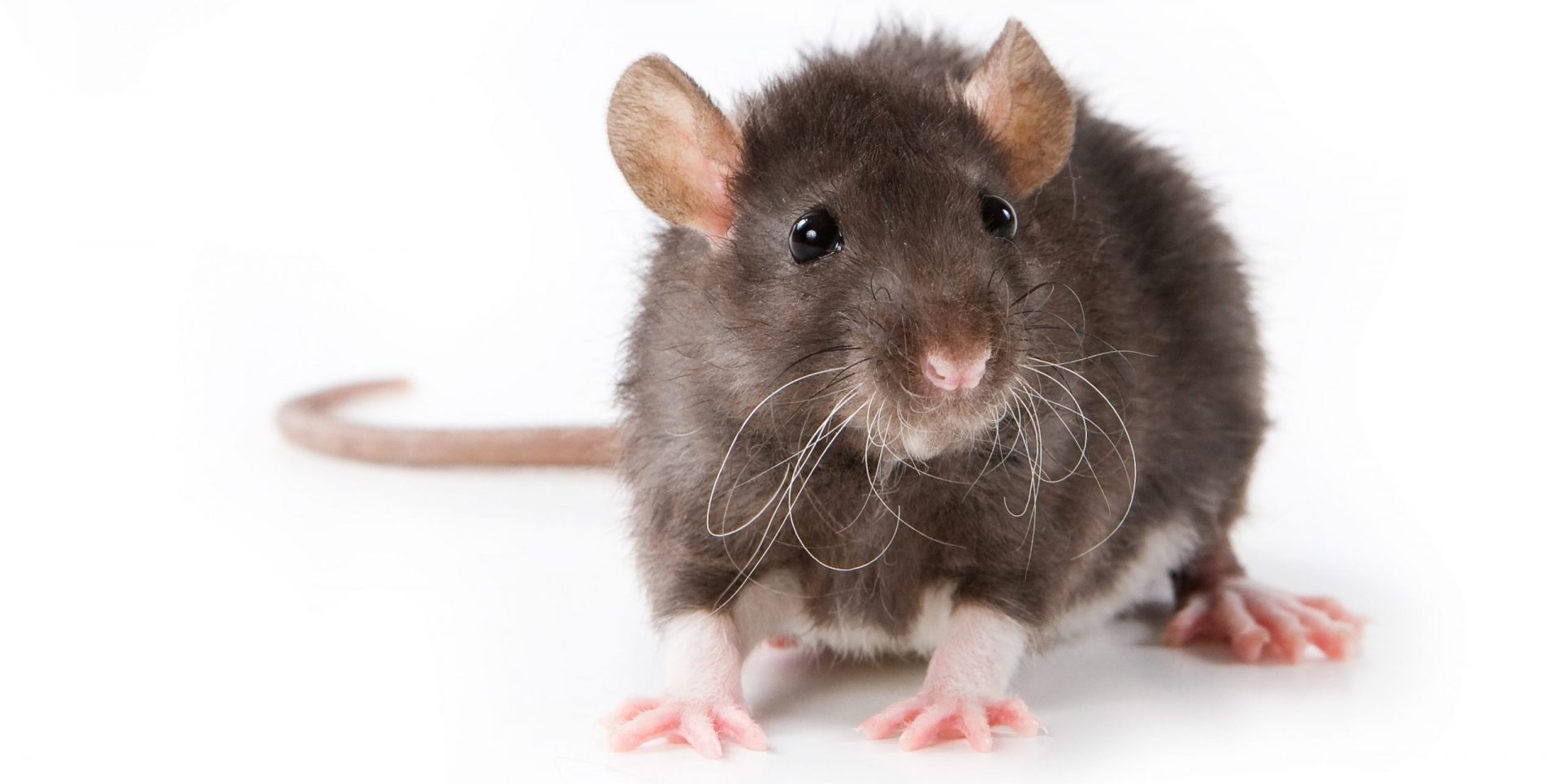
Being confined to one’s own place of residence is best for personal protection, but it has unforeseen consequences for public health, especially for people living in highly confined spaces. Some of these consequences may arise from the very large population of brown rats (also known as the ship rat Rattus norvegicus) that has literally taken over urban neighbourhoods.
Rats nibble on fingers, ear lobes and exposed feet of adults and children.
Brown rats are highly commensal with human habitation and flourish in residential areas and informal settlements. Concerned professionals have been warning for years that South Africa is heading for a disaster because of the rat infestation with disturbing news from hospitals and the Griffon Poison Information Centre that people are often attacked by rats at night while sleeping.
Pest Control
Pests don’t follow the lockdown rules, the usual pest suspects are gearing up to take over your commercial space.
With the changing weather, pests like rodents are coming into your spaces to seek warmth, food and shelter. Cockroaches are hiding in all the nooks and crannies enjoying the peace of having the space all to themselves. You don’t want to neglect your business only to find pests have made a lovely home for themselves upon your return. As essential services we are here to help avoid uncontrollable infesting.
- Cockroaches are common in commercial premises associated with the production or handling of food. Also in public buildings and domestic premises and apartment blocks. Gregarious and nocturnal, they spend the day hiding in cracks and crevices around such areas as sinks, drains, cookers, the backs of cupboards and in refrigerator motor compartments. They especially favour buildings with service ducts and complex plumbing installations. Infestations may be introduced as egg cases or adults in incoming laundry, on raw materials, in crates and packaging, or arise as the insects enter buildings via such routes as drains or refuse chutes. Effective treatment depends upon the selection and thorough application of a suitable insecticide. A high standard of hygiene is important in the control of cockroaches. An assessment of the infestation must be made to determine the species and extent of the infestation.
- Rodents are carriers of over 45 types of diseases including spirochaetes causing Weil’s Disease (Leptospirosis), Salmonella, E.coli, enteritis, listeriosis, rickettsiosis, dysentery and many others. Contamination of water, food and environment.
An integrated pest management approach using a combination of control measures (e.g. improving hygiene, proofing) is necessary in order to gain control of a rodent infestation. Baiting alone is not sufficient.
By observing the rodent's identifying characteristics and by inspecting its droppings, you will know which of the three typical species you are dealing with and will then be able to focus on the correct tactics to eliminate the problem. The House Mouse, Norway Rat and Roof Rat have significantly different behaviour patterns and need to be controlled differently. - Subterranean Termites
- Microtermes: Microtermes is the most common of the small fungus growers. They build subterranean nests with little evidence of their nests above ground. They can destroy timber in- and outdoors.
- Macrotermes: Large fungus growers. They build large mounds of particular forms which can change the appearance of a landscape considerably. These mounds can remain intact long after the original occupants have left, providing shelter for new occupants and provide a habitat for plant-life different than the surrounding vegetation.
- Odontotermes: Odontotermes are wood-destroying termites, and together with Macrotermes, destroy more wood in buildings than all the other subterranean termites together. They build subterranean nests and in most species, only either slight amorphous soil elevation is visible above the nest area or chimneys build of clay. They can also build their nests under buildings.
Subterranean termites need wood for food and soil for moisture. Wood in contact with soil is ideal for termite development, in the case of houses built on concrete slabs, infestation occurs through expansion joints, cracks and utility and plumbing openings.
In the past, chemicals used in subterranean termite control, aimed to form a barrier around buildings to protect these buildings from termite attack. The chemicals were detected and avoided by the termites. The termites would, however, continue to find a way to enter these buildings by continuing to search through an 'opening' in the barrier. The new generation termiticides, cannot be detected by termites and the insects will therefore move through the treated area and get intoxicated.
- Ant Control: Various options are available
- Black sugar ant: Nests are constructed in sheltered soil under paving etc. and in structures.
- Argentine ant: They construct nests in exposed and covered soil, but never indoors.
- Brown house ant: These ants often make nests under paths where it throws up small mounds
- Pugnacious ant: They nest below ground without a mound at the nest entrance.
If untreated, pests can multiply very quickly and will spread to adjoining properties in a short space of time. Getting rid of them before it becomes a big problem requires the help of professional pest control services. Pest X-Perts is equipped to help eliminate and prevent general pest issues for both residential and commercial customers throughout Mpumalanga.
Other pests
Our pest control services cover even more than the usual culprits. These pest include:
- Fishmoth are common in commercial premises associated with the production or handling of food. Also in public buildings and domestic premises and apartment blocks. Gregarious and nocturnal, they spend the day hiding in cracks and crevices around such areas as sinks, drains, cookers, the backs of cupboards and in refrigerator motor compartments. They especially favour buildings with service ducts and complex plumbing installations. Infestations may be introduced as egg cases or adults in incoming laundry, on raw materials, in crates and packaging, or arise as the insects enter buildings via such routes as drains or refuse chutes. Effective treatment depends upon the selection and thorough application of a suitable insecticide. A high standard of hygiene is important in the control of cockroaches. An assessment of the infestation must be made to determine the species and extent of the infestation.
- Common House Flies are ubiquitous
insects, with a flight range of at least 8 kilometres. They are highly active indoors. In colder climates breeding generally ceases before winter, whereupon the insects overwinter either as pupae or adults. However, in warm environments houseflies remain active and reproduce throughout the year.
House Flies can transmit intestinal worms, or their eggs, and are potential vectors of diseases such as dysentery, gastroenteritis, typhoid, cholera and tuberculosis.
If left unchecked a housefly problem can quickly get out of hand. The life cycle goes from egg to adult in just 7-12 days and as many as 10-12 generations can occur in one summer. So, even if just 100-200 of eggs per female fly survive until adult stage, the end result poses a massive fly problem. - Mosquitoes are also ubiquitous
insects. They can be found in nearly every type of climatic region of the world from the arctic regions to the tropics, surviving severe winters or dry seasons depending on the region. Depending on species they can be found breeding in all types of water; from heavily polluted, to clean; from small collections of water in tin cans, to pools or streams; such is their adaptability. Their distribution is increased and aided by transport systems such as boats and aircraft and non-indigenous species have been introduced to new territories in this way, even infected mosquitoes have been transported to temperate climates, thereby transmitting tropical diseases.
They can transmit many diseases to both humans and animals, e.g. malaria, filariasis, yellow fever, encephalitis, and dengue fever. Only a few species of mosquitoes are implicated as vectors of human diseases.
Control measures can be directed against the larvae and adults. - Stored food pests such as Tropical Warehouse Moths, Indian Meal Moths, Grain Beetles and Flour Beetles are a particular problem in dried fruit and nuts. Although, they will also attack cereals, oil seeds and chocolate products.
Moths/weevils/beetles can be found in a variety of stored products. Some species are associated with goods of vegetable origin, to which they may be adapted with varying degrees of specificity, whilst others are associated with animal products - particularly textiles.
Warehouses should be constructed so as to ensure maintenance of correct storage conditions and allow easy cleaning. Cracks and crevices which might serve as harbourages should be kept to a minimum. Stacks of commodities should be neatly arranged above the floor on pallets, with a gap between stacks to allow for ventilation, regular inspection, cleaning and treatment with insecticides if necessary. Good packaging is particularly important to prevent entry of larvae. Spillages should be removed promptly, and infested goods dealt with immediately either by fumigation or destruction.
These pests are mostly controlled with household products, or in the case of snakes and birds, are occasional visitors. However, when these critters multiply because of a concentrated food source, they can become difficult to manage. The Pest X-Perts will assist you with professional management of effective solutions to your pest issues.

Food Storage
What starts off as a single pest-infested product bought from the store, can quickly turn into a serious pantry pest infestation. The longer pantry pests are left unattended and untreated, the more products they will contaminate, boring through paper, plastic and even sealed containers. Food commonly infested include: Cereal products, seeds, nuts, chocolate, raisins and other dried fruits, spices, powdered milk, tea, and cured meats. Non-food items include birdseed, dry pet food, ornamental seeds and dried plant displays, dried flowers, garden seeds, potpourri.
The major pests in stored food are Weevil Beetles, Tobacco Beetles and Moths. Each has a unique pattern of destruction, enabling identification, enabling a decision about the type of control needed.
Food Safety
Pest Management
Does your business produce, process, manufacture, package, store, distribute, sell, prepare, or serve food? You need to prevent and eliminate physical, chemical and biological food safety hazards, caused by rats, cockroaches, flies, ants and other pests.
Whichever Food Safety Management System you have implemented, our Pest Control program will be aligned and compliant to all the necessary HACCP criteria to ensure that you pass the Pest Control element of your Food Safety Audits. But also that you have no infestation issues.
We offer:
- PEST FREE PREMISES: As industry experts, we will ensure you receive professional, effective results. We are industry certified, thoroughly trained in health and safety best practice, and are adept at providing food safety pest control services in an unobtrusive manner.
- SOLUTIONS TAILORED TO YOUR NEEDS: Each client has unique pest control needs. We’ll conduct an extensive inspection of your premises, and then compile a commercial pest management programme that meets your specific requirements.
- PERSONAL ATTENTION: As hands-on business owners, Santie and Lousanne are focussed on client satisfaction. Every project is overseen by at least one of them. With extreme attention to detail, the Pest X-Perts ensure a thorough execution of every job.
- INTEGRATED PEST CONTROL MANAGEMENT: We apply professional methods to food processing pest control, from inspection of the premises to prevention and treatment.
- FOOD SAFETY COMPLIANCE: We comply with the prerequisite programmes that support HACCP (Hazard Analysis at Critical Control Points).